STEWART WARNER 114-Z Ahooga Horn 1910-20S
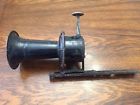
( Brand: Stewart Warner ), ( Manufacturer Part Number: 114-Z ), ( Part Type: Horn )
Review STEWART WARNER 1910-20s Vintage Ahooga Horn 114
The 1910-20s Ahooga Stewart Warner Horn, model 114 (or 114-Z, depending on its specific variant), is an exquisite piece of antique automobile history. This horn, manufactured by the esteemed Stewart Warner company, was a standard equipment in many early 20th-century vehicles.
The horn, designed in a classic round shape, features a brass construction, giving it a distinctive and timeless look. Its surface is meticulously polished, reflecting light and adding a charming glow to any vintage vehicle it graces. The brass body is adorned with intricate engravings and detailing, including the company's logo and the model number, 114 or 114-Z.
The 1910-20s Ahooga Stewart Warner Horn operates using a simple yet effective mechanism. When the horn is activated, a diaphragm inside the brass body quickly moves in and out, creating a distinctive "Ahooga" sound, which was a common horn sound in that era. The sound is loud enough to be heard in traffic, yet not overly harsh, making it an ideal choice for vintage cars participating in parades or club rallies.
This horn is not just a functional device but also a decorative element that adds a touch of nostalgia to a vintage vehicle. The 1910-20s Ahooga Stewart Warner Horn, model 114 or 114-Z, is a testament to the craftsmanship and innovation of a bygone era. It is a valuable addition to any collection of antique automobile parts and a charming reminder of the early days of automobile technology.
Pros of buying a 1910-20s Ahooga Stewart Warner Horn 114/114-Z:1. Historical Significance: These horns are part of the early automotive history, making them a collectible item for car enthusiasts.
2. Rarity: Due to their age and the fact that they are not commonly produced anymore, these horns are quite rare, which can increase their value.
3. Authenticity: Buying an original horn from this era ensures that you are getting a genuine product, as opposed to replicas or modern alternatives.
4. Vintage Aesthetics: The vintage design of the horn is an attractive feature for those who appreciate the appearance of classic cars.
Cons of buying a 1910-20s Ahooga Stewart Warner Horn 114/114-Z:1. Functionality: Given their age, these horns may not function as efficiently as modern horns. They may require more frequent maintenance and may not produce as loud of a sound.
2. Compatibility: The horn may not be compatible with modern vehicles, which may require additional modifications to install it.
3. Cost: Due to their rarity and historical significance, these horns can be quite expensive, which may be a deterrent for some buyers.
4. Durability: These horns are over a century old and may have suffered wear and tear over the years, which could impact their longevity.
Conclusion:While buying a 1910-20s Ahooga Stewart Warner Horn 114/114-Z can be a rewarding experience for car enthusiasts and collectors, it is important to consider the potential drawbacks. The horn may not function as efficiently as modern alternatives, and installation may require additional modifications. Additionally, the cost of these horns can be quite high, and their durability may be a concern. Ultimately, whether or not to purchase one of these horns depends on personal preference, budget, and the desired level of authenticity for your vehicle.
Recommendation:If you are a car enthusiast or collector who values historical significance and vintage aesthetics, then a 1910-20s Ahooga Stewart Warner Horn 114/114-Z may be a worthwhile investment. However, it is recommended to thoroughly research the condition and history of the horn before purchasing to ensure that it is a sound investment. Additionally, consider the compatibility of the horn with your vehicle and the potential costs associated with installation and maintenance.
Details:
Please see all photos. Horn with bracket length is 16. The paint is original and it still attached to mounting bracket. Stewart model 114-Z.
Brass label reads as follows: made in us. Stewart Warner speedometer cor'n, Chicago. There is a small hole for oil.
The horn itself is long with an opening diameter of 4-1 It was owned by my husbands great-grandfather. There is appropriate rust for its age and exposure, but no dents.
Vintage ahooga horn circa 1910-20s.
part #: 114-z prices
- $215.00-$599.99
specifications stewhee:
- brand: Stewart Warner
- mpn: 114-z
- part type: Horn
Returns stewhee:
- policy: no returns
Ratings:
- Hope to deal with you again. Thank you. 10-13-16
- GreatEasy and pleasant transaction. Hope to deal with you again. A 07-21-16
- lovely figurine on table or placed in the spring flower garden, great detail 01-23-17
- a great transaction, very pleased with item and service, highly recommend 01-23-17
- Excellent customer Prompt payment Great Communication! A 01-31-17
Payments stewhee:
- PayPal
Offer stewhee:
- Sold: 0
- min. bid: $99.00
- best offer: false
- bids: 0
- quantity: 1
- Started: April 25, 2017, 11:00 am
Seller stewhee:
- city: Santa Rosa, California
- zipcode: 95404
General stewhee:
- in stock: Yes
- condition: Used
- motors > partsaccessories > vintage cartruck parts > interior motors > steering wheelshorns interior
Shipping stewhee:
- handling: 2 days
- type: Calculated
Stewart Warner 114-Z Is Similar To:
- 28-21288-1 Model Ford Horn Assembly Volt Aftermarket Stewart Warner Type With (33.3% similar) ...(March 17th, 2018)
- 445-a Stewart Warner Antique 1929 (71.4% similar) It has a four prong male plug in setup. This speaker has been really taken care of and all its parts, including model tag back plate. The grille cloth is also in pristine condition...(January 19th, 2018)